Payment Pathways and Their Connection to Boundary-Setting Practices in Wheel Game Variants
Ulrich Zimmermann · Aug 25, 2026

Payment Pathways and Their Connection to Boundary-Setting Practices in Wheel Game Variants
Wheel game variants encompass digital versions of roulette and similar spinning mechanisms where payment pathways determine how funds move in and out of player accounts while boundary-setting practices establish limits on deposits, sessions, and losses. These elements intersect because payment systems often embed controls that either support or complicate efforts to maintain spending discipline. Observers note that platforms handling wheel games must align transaction routes with tools such as time-outs and wager caps to meet regulatory expectations across multiple jurisdictions.
Core Components of Payment Pathways in Wheel Games
Payment pathways include bank transfers, e-wallets, prepaid cards, and emerging digital currencies that route funds between operators and users. Each route carries distinct processing times and verification layers. Bank transfers typically require one to three business days for completion, which introduces natural pauses that can reinforce boundary tools, whereas instant e-wallet options bypass those pauses and require separate software flags to enforce limits. Data from regulatory filings shows that operators in Canada and Australia track these differences to ensure compliance with harm-minimization standards.
Boundary-setting practices consist of player-initiated limits on deposit amounts, loss thresholds, and play duration. These features appear in account dashboards and link directly to the payment infrastructure so that a reached limit automatically blocks further transactions through the selected pathway. Researchers at academic institutions have documented how seamless integration between these systems reduces the likelihood of players overriding their own rules during heated sessions.
Technical Links Between Pathways and Limits
Software developers connect payment gateways to responsible-gaming modules through application programming interfaces that monitor real-time balances and apply blocks when thresholds activate. For instance, a player who sets a daily deposit cap of 200 CAD will see the system reject any additional transfer attempts once that figure is met, regardless of the funding source. Figures released by provincial regulators in Ontario reveal that such automated checks processed over 1.2 million limit-related blocks in the first half of 2025, with similar patterns expected to continue into August 2026 as platforms update their compliance dashboards.
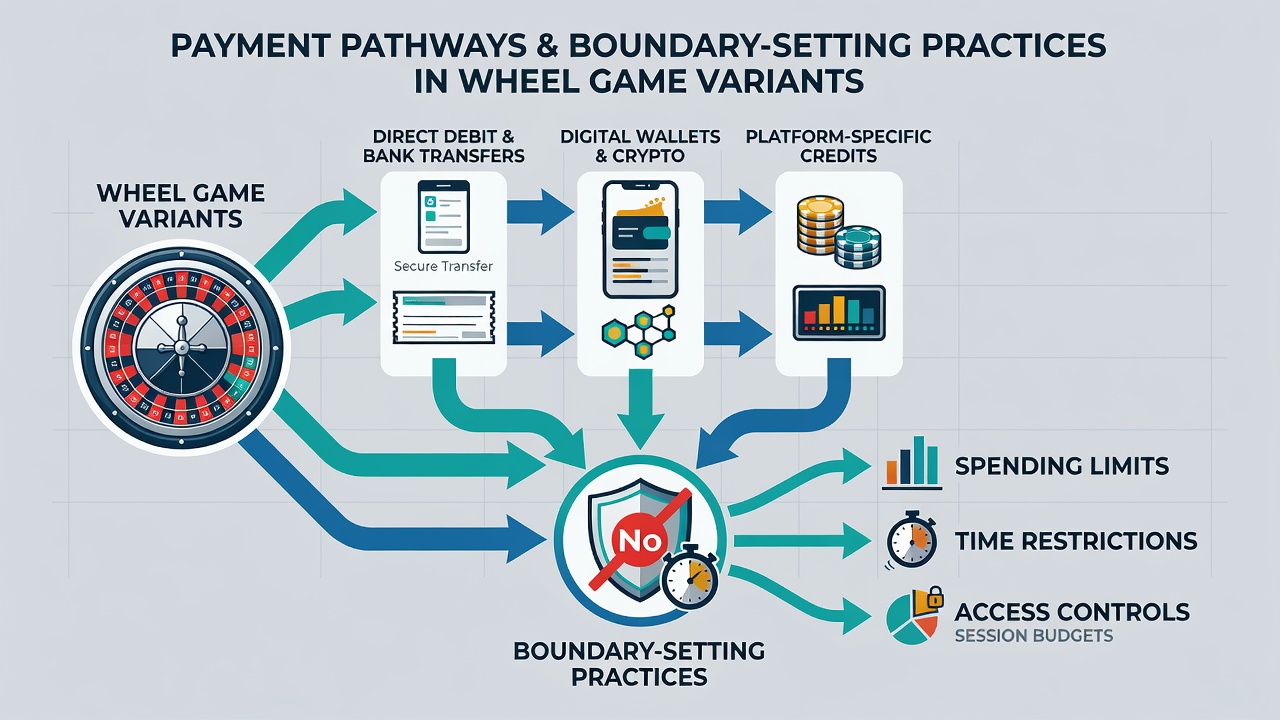
Alternative pathways such as cryptocurrency wallets introduce additional variables because they operate outside traditional banking hours and often feature lower fees. Studies conducted by the Australian Gambling Research Centre indicate that operators who route crypto transactions through the same limit-enforcement layer achieve comparable blocking success rates to those using fiat methods, provided the wallet API supports immediate status queries. Those who've examined transaction logs across several wheel-game sites find that players using slower pathways tend to respect boundaries more consistently than those relying on near-instant options.
Regional Regulatory Approaches
Canadian provincial frameworks require operators to demonstrate that every accepted payment method includes configurable limit controls before licensing approval. The Alcohol and Gaming Commission of Ontario publishes quarterly reports that list approved gateways and their associated boundary features. In contrast, certain European member states mandate third-party audits of these integrations, with particular attention to whether instant pathways allow players to circumvent session timers. Reports from the European Gaming and Betting Association document audit findings that operators must address within 30 days or face temporary suspension of specific deposit routes.
Industry organizations such as the National Council on Problem Gambling have compiled case summaries showing that platforms offering multiple pathways with uniform limit application experience fewer player complaints about unintended overspending. One documented instance involved a wheel-game operator that unified its e-wallet and bank-transfer systems under a single limit database, resulting in a measurable drop in disputed transactions during the subsequent reporting period.
Implementation Challenges and Data Trends
Challenges arise when new payment technologies enter the market faster than regulatory updates can address them. Prepaid vouchers, for example, sometimes bypass account-level controls because they do not require prior registration. Regulators in several jurisdictions now require operators to convert such vouchers into traceable credits before they enter the gaming wallet, thereby subjecting them to existing boundary settings. Statistics gathered by research consortia indicate that this conversion step has reduced anonymous play by approximately 18 percent on monitored wheel-game sites since 2024.
August 2026 marks the scheduled rollout of enhanced API standards across several Canadian and Australian platforms, which will require all payment pathways to report limit status in under two seconds. Early testing data shared by participating operators suggests these faster queries will tighten enforcement without introducing noticeable delays for players who stay within their chosen boundaries.
Conclusion
Payment pathways and boundary-setting practices in wheel game variants operate as interdependent systems that regulators monitor through transaction data and compliance audits. Integration occurs via technical interfaces that enforce limits across every funding source, while regional rules shape how quickly new methods must adopt the same controls. Continued updates scheduled for 2026 aim to maintain parity between emerging technologies and established player-protection mechanisms.